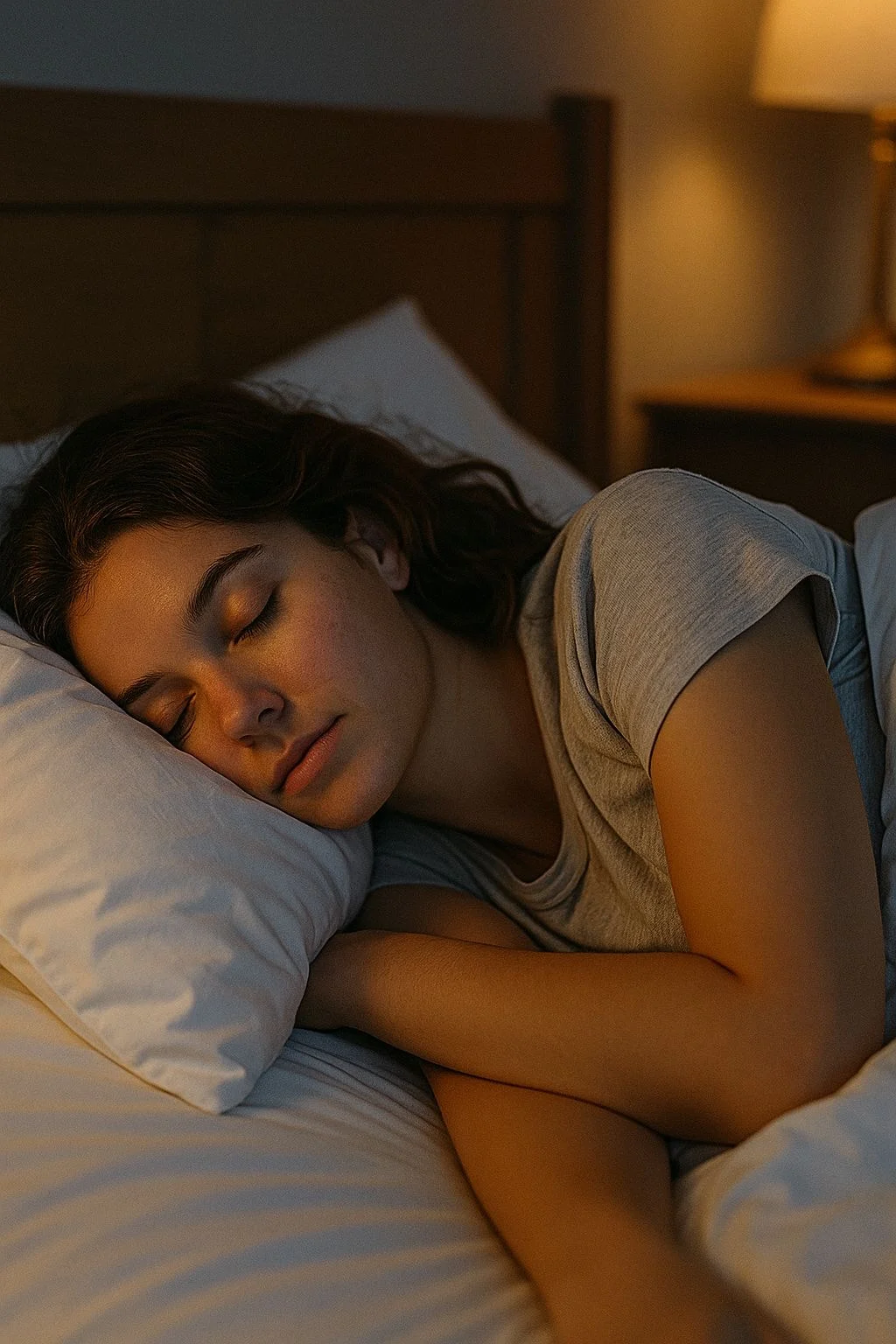
What is Sleep?
Sleep is said to be one of the major factors that affect an individual’s well-being both physically and mentally. Sleep is associated with skills like problem-solving, decision-making and the overall functioning of a person. “Woke up on the wrong side of the bed” is an expression we often hear when someone is not at their best on a particular day. Sufficient sleep is hence recommended by professionals in the field of medicine, fitness, mental health and general wellness along with healthy food, adequate amount of water and/or routine exercise.
Role of Sleep on Mental Health
In the field of mental health, it is often noticed how poor sleep could cause excessive worry, inattention or tiredness throughout the day. Sleeping excessively is also not advisable as it has been noticed to tamper productivity, creativity or the motivation to do any task after waking up. This is what people mean when they say “I feel tired because I slept too much”. REM Sleep or Rapid Eye Movement Sleep has been said to influence one’s body and mind, ranging from brain development to emotional intelligence. Along with these, it is one of the most important stages of sleep due to its importance in consolidating memory, experiencing vivid dreams and preparing the body to wake up.
Common Sleep Disorders and Mental Health
After several years of debate about whether sleep impacts disorders or vice versa, a conclusion was drawn that they share a bidirectional relationship. The association of sleep on stress, anxiety and a person’s moods are commonly heard. A number of disorders like Sleep Apnea, Insomnia, Narcolepsy and Hypersomnolence have been identified in many. In the case of a person diagnosed with Depression, ADHD, Autism Spectrum Disorder or Schizophrenia sleep is an unavoidable factor, with symptoms ranging from insomnia to hypersomnia.
Benefits of Quality Sleep
Sleep can work wonders in a person’s life. Adequate sleep enhances cognitive function and improves concentration, problem-solving skills, and memory. It also contributes to emotional resilience, making it easier to cope with stress and daily challenges. Quality sleep supports a balanced mood, lowers irritability, and fosters a positive outlook on life – all of which are crucial for maintaining mental health and overall well-being. It is hence evident that sleep also aids in the recovery process of individuals in case of physical and mental health as it complements all kinds of therapy and medication. However, it does not mean that sleep should be the only focus while trying to achieve and/or maintain a healthy lifestyle.
Tips for Quality Sleep
1. Sleep Hygiene : It is important to follow certain healthy routines to improve one’s sleep.
– Avoid using gadgets at least an hour before going to bed.
– Ensure that the lights are dimmed or turned off or use a sleeping mask.
– Getting regular exercise during the day aids in quality sleep at night.
– Avoid taking long naps during the day, instead nap for a maximum of 20-30 minutes in case of tiredness or exhaustion.
– Avoid using substances that could impact sleep such as alcohol or tobacco or even the in-take of caffeine in the evening.
– Set a bedtime and follow it everyday, conditioning the body to prepare for sleep during that particular time on any day.
– The bedroom, bed, pillows as well as the sheets should be cleaned and maintained regularly, making it a sleep-friendly environment.
2. Professional Support : In case one finds it difficult to sleep or wake up from sleep, it is important to seek the help of a professional. There are several types of therapy including Cognitive Behavioral Therapy(CBT) to help identify the cause(s) of problems associated with sleep. In a session, a client reported feeling much better than how they were during initial sessions as their sleep had gotten better. This mainly involved maintaining a sleep diary where they would log or journal about the activities they did before going to bed, how rested they felt after sleeping, any awakenings etc. This helped them feel like they were in control of themselves and aided in other aspects of their life as well.
A good night’s sleep is like a secret potion for a healthier life. From sharpening our thinking skills to helping us face challenges with a positive attitude, sleep is a silent superhero.
The article emphasizes that everyone can benefit from better sleep habits, like winding down without screens and keeping our sleep space cozy. Remember, if sleep troubles persist, reaching out to a mental health professional for help can make a world of difference. Sweet dreams!