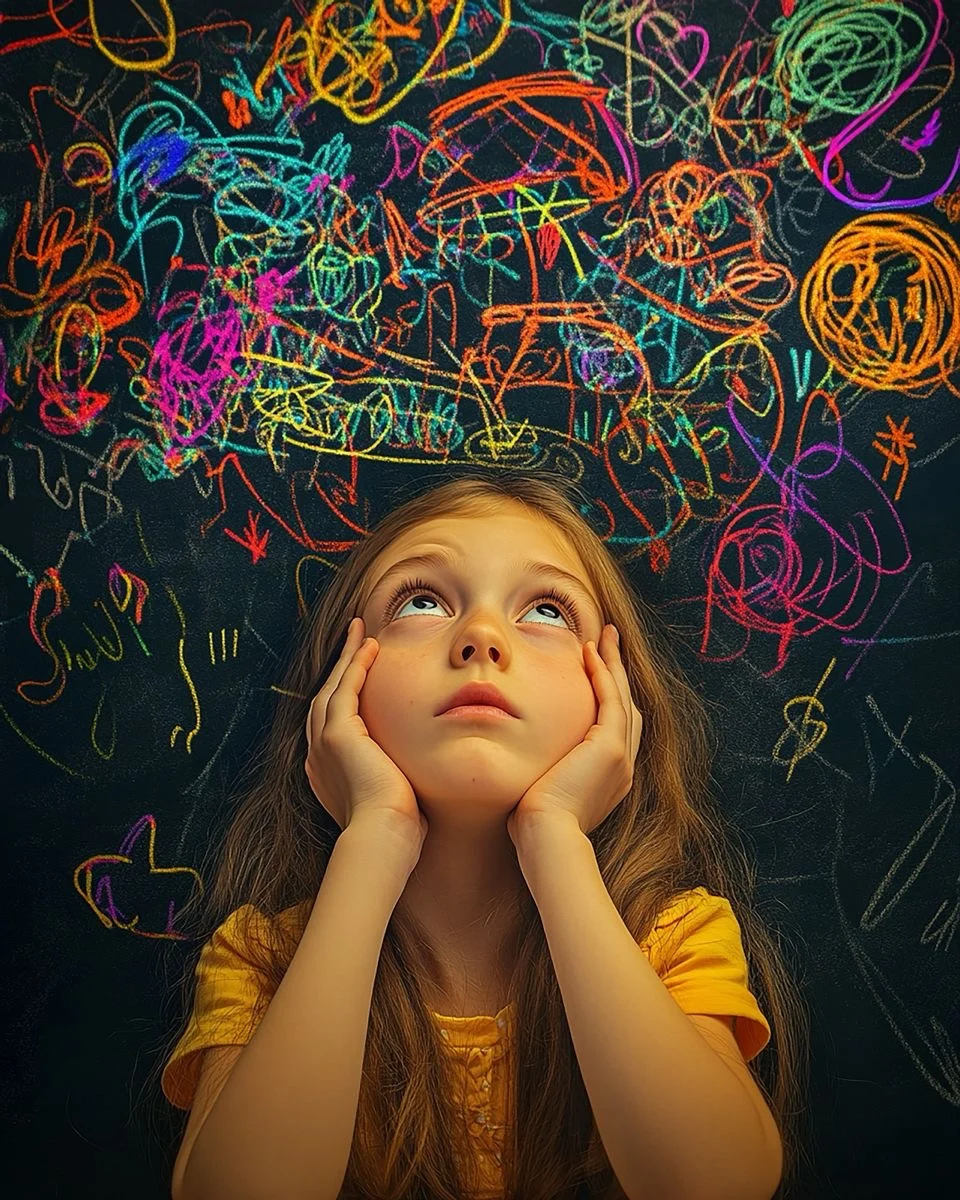
Sometimes loneliness has nothing to do with being alone.
You can sit in a room full of people, laugh at the conversations, have your house and inbox full of people and still feel deeply unseen.
Because the deepest kind of loneliness is not the absence of people. It is the absence of being emotionally understood.
The Human Need to Be Seen
Every human being carries an invisible world inside them.
Thoughts they have never said out loud. Fears hidden beneath confidence. Pain disguised as “I’m just tired.” And often, what we want most is not advice but to be really heard. We want someone to pause long enough to truly see us. To notice when our smile looks heavier than usual. To hear the “I’m fine” that doesn’t quite sound like fine. We crave a connection that says: “I want to understand what this feels like for you.”
Why Feeling Unseen Hurts So Much
Our nervous systems are built for connection. We are but Social Animals. From childhood, emotional safety develops when someone responds to our feelings with care and attention. A crying child doesn’t calm down simply because the problem disappears. They calm down because someone stays beside them. That experience teaches the brain: “My emotions matter. I matter.”But when feelings are repeatedly dismissed: “You’re overthinking.” “You’re too emotional.” “Stop being over reacting.” we slowly begin questioning our own emotional reality. Eventually, some people stop expressing themselves altogether. Not because they no longer feel it but because they no longer believe anyone will understand.
Imagine standing behind a glass wall. People can see your appearance, your achievements, your personality but they cannot fully reach the deeper parts of you. You speak, but feel unheard. You open up, but still feel emotionally alone. That is what emotional disconnection can feel like. Not physical isolation but psychological distance. And over time, this kind of loneliness becomes exhausting. Because pretending to feel okay while secretly wishing someone would notice your pain takes enormous emotional energy.
Many people become experts at hiding their emotional needs. They become “the strong one.” The friend who is always there. But often, the people who give the most support are secretly hoping someone will ask, “And how are you doing really?”
Sometimes we hide because vulnerability feels unsafe, too raw. Maybe we were ignored. Maybe we were judged. Maybe our emotions were treated like burdens. So we learned to survive by becoming emotionally self-contained. But surviving is not the same as feeling connected. Real connection does not happen through perfection. It happens through honesty.
The moments that bring people closest are rarely polished ones. They are the quiet moments of truth: I really needed to talk to someone about this. There is something powerful about being emotionally real with someone who responds gently. Because in those moments, we stop performing and start belonging.
Sometimes, before we can feel understood by others, we must first stop abandoning our own emotions. Many people invalidate themselves before anyone else gets the chance: “It’s not important.” “I shouldn’t feel this way.” “I’m being dramatic.”But healing often begins when we become emotionally honest with ourselves. When we stop minimizing our pain. When we stop rushing past our feelings. When we sit quietly and admit, “This hurts.” That moment matters. Because being emotionally present with yourself is also a form of connection.
A Gentle Reminder
If you’ve been feeling lonely lately, this is something important to remember: There is nothing weak about wanting to be understood. Emotional connection is not a luxury. It is a human need. And sometimes healing begins not when someone solves your problems but when you finally accept the feeling and start working towards it with someone who can hold the space for you. Maybe that person can slowly become you, too. A softer voice. A kinder presence. A place within yourself that says, “I may not have all the answers right now but that’s okay. I will take it one day at a time’’.