Resilience is the remarkable ability to bounce back from setbacks and adapt well in the face of
stress, trauma, or adversity. Far from being a fixed trait, resilience is an ongoing process shaped
by behaviors, thoughts, and supportive environments—something anyone can develop with
practice. Scientific studies offer insights into the key factors that build resilience and
evidence-based strategies to strengthen it in our daily lives.
Research highlights belief in one’s own competence as essential. People who feel capable of
managing challenges tend to approach problems actively and confidently rather than feeling
overwhelmed. This sense of control is heavily linked to better outcomes in mental health and
emotional well-being.
Another important factor is adaptability, the ability to adjust one’s thinking and actions when
faced with change or unexpected difficulties. Being flexible allows people to find solutions and
stay hopeful even when things don’t go as planned.
Studies also point to the role of positive emotions and mindset. Maintaining optimism and a
positive outlook helps people engage with life’s challenges more constructively. This doesn’t
mean ignoring difficulties but facing them with a sense of possibility rather than despair.
One practical area researchers focus on is how we respond to everyday stressors. Studies show
that people who have “dampened reactivity” to negative emotions—meaning they don’t get
overwhelmed as easily—tend to recover faster from stressful events and experience lower rates
of depression and anxiety over time. The ability to regulate emotions, calm down quickly after
upset, and maintain balance even during stressful times is a cornerstone of resilience.
From a brain perspective, resilience relates to how well we can regulate emotions and maintain
attention and focus amid pressure. Think of it as mental “muscles” for self-control and flexibility.
These functions involve networks that help calm stress responses and enable thoughtful
decision-making when emotions run high.
How can you build resilience in your daily life? Empirical research supports several effective
practices:
- Boost confidence by setting small, achievable goals and celebrating progress. Mastering skills or challenges strengthens your belief in your ability to cope with bigger problems.
- Practice acceptance. Accepting what you cannot change reduces the stress of resistance and frees up energy to focus where you do have control.
- Develop problem-solving skills. Actively brainstorming and trying different approaches helps you navigate challenges rather than feeling stuck.
- Cultivate social support. Strong relationships provide emotional safety that buffers stress and encourages growth.
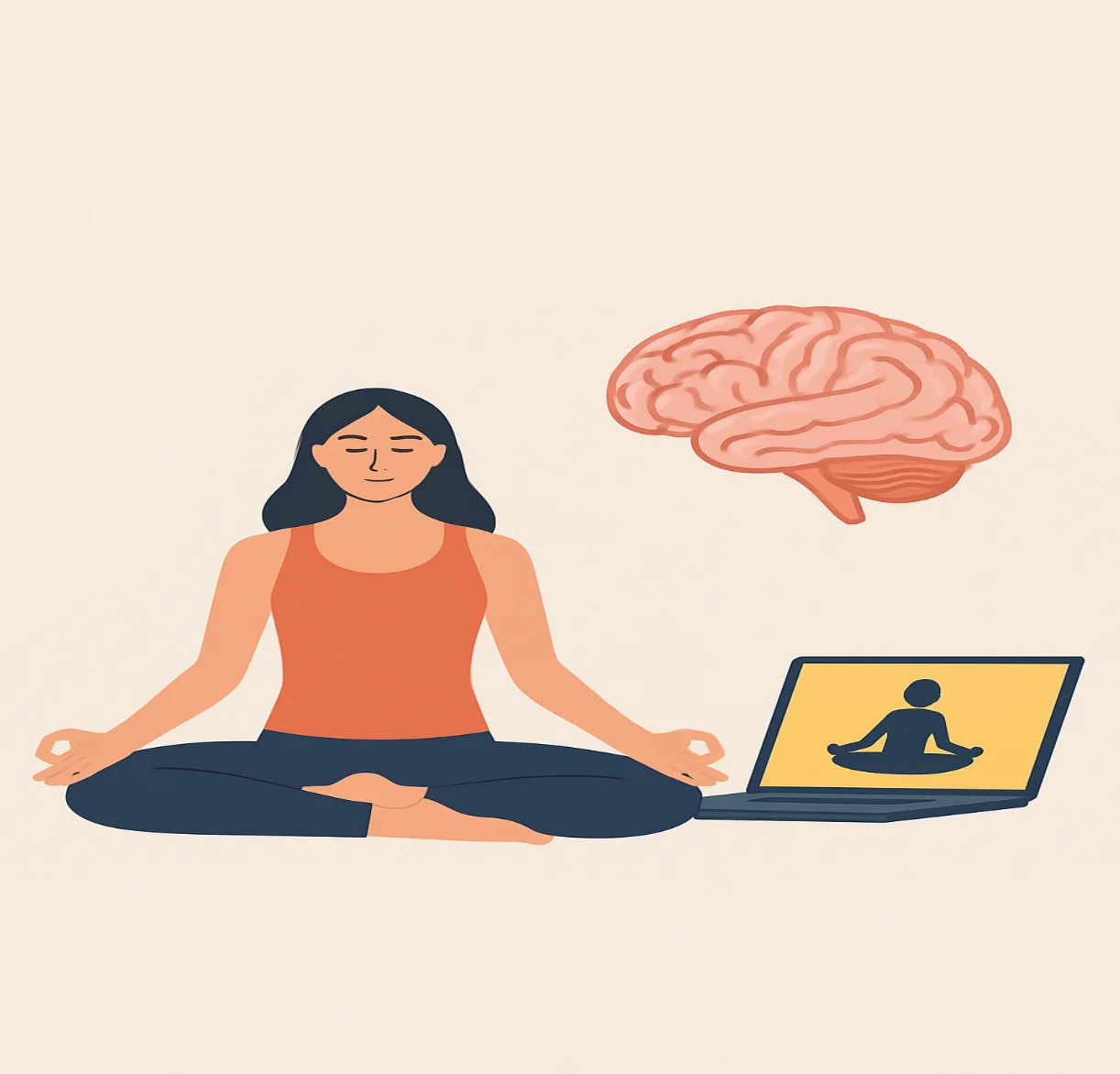
- Engage regularly in mindfulness and self-compassion. These practices train you to observe difficult emotions without judgment and respond with kindness to yourself. A growing body of research confirms mindfulness improves resilience by enhancing emotional regulation and reducing rumination.
- Maintain a positive outlook. Daily gratitude exercises and optimism training have been empirically linked to better resilience and psychological well-being.
- Daily life resilience is about how we react to and recover from everyday stress just as much as major life shocks. Studies using daily diaries and experience sampling show that those who quickly recover from small stressors and maintain emotional balance tend to have better overall mental and physical health.
In summary, resilience combines a positive mindset, belief in control, emotional regulation,
adaptability, and social support. Through deliberate practice of these skills and habits, resilience
grows stronger over time, empowering you to face life’s challenges with greater strength,
flexibility, and hope.