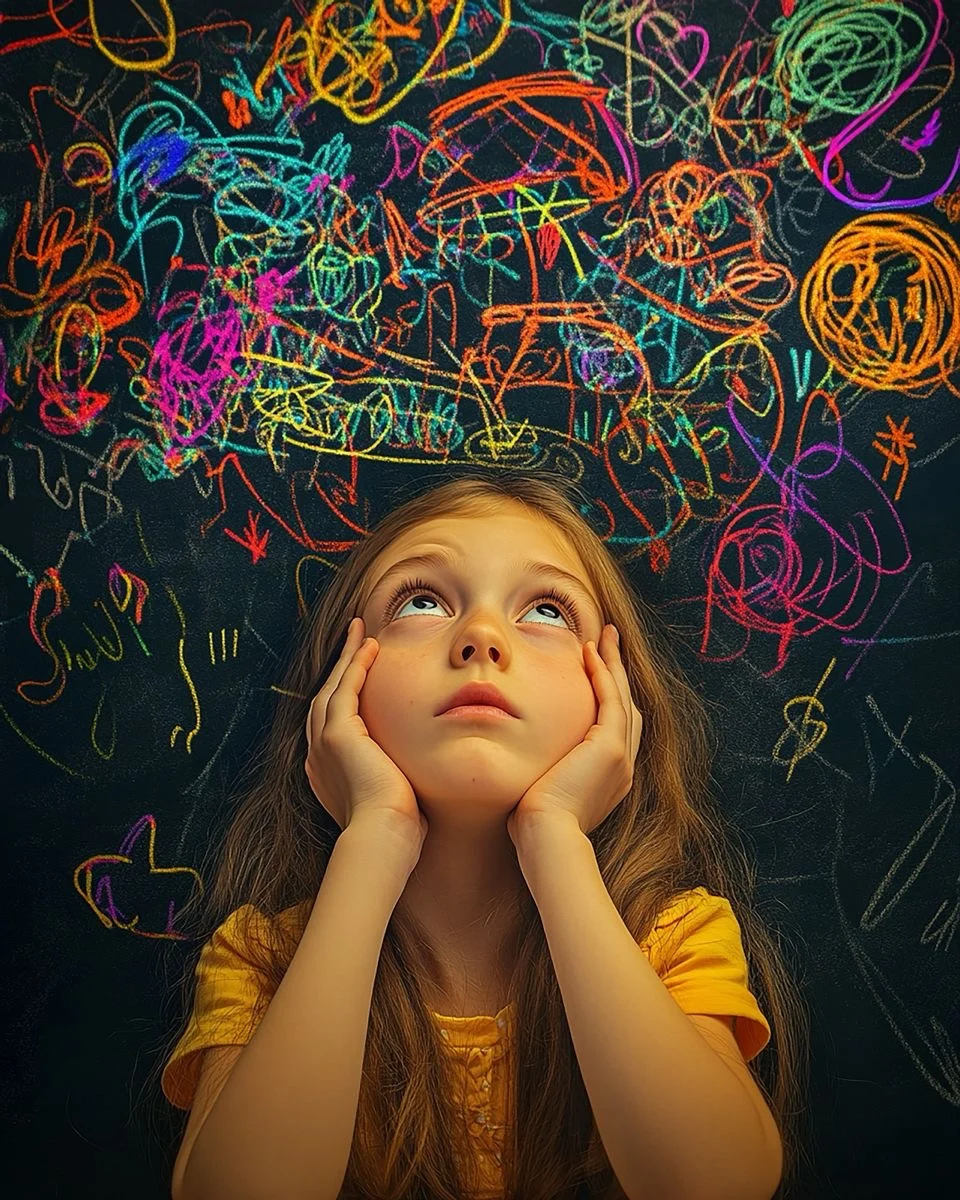
In a world that is changing faster than ever before, raising children has become far more complex
than simply ensuring academic success. Today’s children are growing up amidst constant
stimulation, digital exposure, social comparison, emotional pressures, and rapidly evolving
expectations. While achievements and performance continue to be celebrated, there is a growing
realization that true development goes far beyond grades, trophies, and résumés. Children need
emotional security, resilience, compassion, creativity, and a strong sense of self in order to truly
thrive.
In this blog, we explore the importance of holistic child development and the powerful role
families play in shaping emotionally healthy, socially aware, and resilient individuals. A holistic
approach reminds us that children are not machines built solely for productivity or success. They
are deeply sensitive human beings who require emotional connection, moral guidance, physical
play, psychological safety, and opportunities for self-expression. At the heart of this journey lies
one of the most influential systems in a child’s life — the family.
The Family as an Emotional Anchor
While schools provide vital education, the family is a child’s very first emotional ecosystem.
Modern psychological frameworks, such as the bioecological model, remind us that the family of
origin is the most critical context for developing a child’s psychological resilience and adaptive
capacities. It is within the safety of our homes that children learn about attachment, empathy,
communication, and their own self-worth.
When a child is emotionally understood and validated by caregivers or parents, they naturally
develop healthier coping mechanisms and emotional confidence. Conversely, environments
marked by criticism, comparison, neglect, or emotional unavailability can deeply affect a child’s
identity and self-esteem. Providing quality time, active listening, reassurance, and a safe space to
express emotions without fear teaches children emotional literacy — a skill that has become
increasingly important in a time of growing emotional isolation and mental health concerns
among young people.
Navigating the Digital Age Together
We cannot talk about modern child development without addressing the digital world. Today’s
children are exposed to immense stress, social comparison, information overload, and emotional
overstimulation from a very young age. Research increasingly highlights the psychological
impact of excessive digital exposure, particularly when it interferes with sleep, social connection,
physical activity, and emotional regulation.
Heavy social media use has been associated with increased anxiety, low self-esteem, irritability,
and depressive symptoms among vulnerable youth. At the same time, problematic digital use can
reduce a child’s sense of belonging and emotional connectedness. This is where the family
becomes a vital resilience anchor. By creating balanced routines that prioritise outdoor play, rest,
creativity, physical well-being, and meaningful interpersonal connection over excessive screen
time, families can help children develop healthier relationships with technology and with
themselves.
Valuing the Whole Child
Every child enters the world with unique strengths, emotional needs, interests, and learning
styles. Constant comparison with peers or excessive focus on shortcomings can damage
self-esteem and contribute to anxiety, perfectionism, or feelings of inadequacy. A holistic
approach encourages us to move beyond narrow definitions of success and instead nurture the
individuality of each child.
Whether a child finds joy in academics, art, music, sports, storytelling, quiet hobbies, or
leadership, their interests deserve validation and encouragement. When children feel accepted for
who they are rather than valued only for achievement, they develop a stronger sense of
confidence, emotional security, and identity.
Ultimately, the goal is not simply to raise high-performing children, but to raise emotionally
healthy, socially conscious, and compassionate human beings. By offering children emotional
safety, understanding, connection, and unconditional support, we provide them with the strongest
possible foundation for navigating life with resilience and self-worth