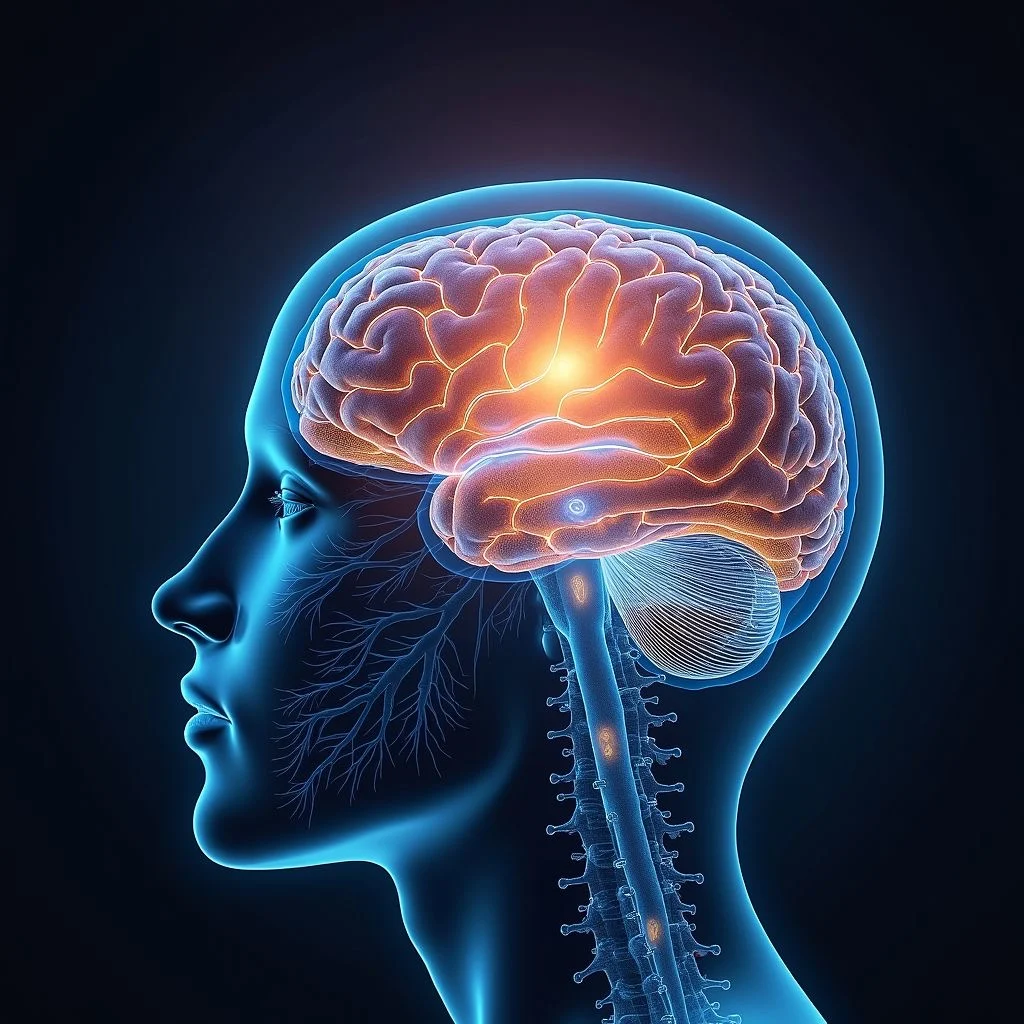
Humans have a very capable brain that can map things out, but then it has some weird proportions. If you looked inside the parietal lobe, along a strip of cells called the somatosensory cortex, you’d see a map of the human body. Here is the homunculus, also known as the “little man”.
First mapped in 1937 by neurosurgeons Wilder Penfield and Edwin Boldrey through a series of “feel-and-tell” awake brain surgeries, this neural map is delightfully distorted. The size of each body part on the homunculus is not proportional to the size of the body part, but to the extent of its sensitivity. Our hands are huge, massive, outstretched because these are our main means of exploring and experiencing the world. Likewise, the lips and tongue too, are voluminous. Eating, or the great intimacy of a kiss, requires a staggering amount of neural real estate, and that’s what’s expected, given the density of the sensory receptors in these body parts.
But it is a subtle geographical quirk in the homunculus that gives the biological blueprint to one of humanity’s most common non-conforming fetishes: the foot fetish.
The feet and toes are not in close proximity to the legs in the cerebral environment. Rather, they are located very close to the neural territory of the genitals in the medial folds of the somatosensory cortex. Neuroscience indicates that because of this cross-continental proximity, there is a possibility of something very similar to “neural cross-talk” that may take place. The electrical signals that reach the brain from the feet may migrate to neighbouring genital architecture. A flick or pat on the toe causes a spark in the cortex’s genital field, which turns a passing sensation into intense sexual arousal.
However, biology is only the canvas; culture and experience completes the rest of the picture.
In Indian society, the foot carries a profound, dualistic weight. It is an epicenter of reverence. In our culture and tradition touching the feet of an elder or god means complete purity, respect and surrender. If the feet are already highly prominent, the brain’s associative learning will prevail when the person grows up in such an environment. Comforting memories from childhood, or an excessive preoccupation with important routines (such as tying shoelaces,footcare,football) can become an individual’s personal sexual schema.
Ultimately, understanding the neuroscience behind this does something important; it explains human desire. It takes the focus away from judgment and puts it on anatomy; that is, variations in pleasure can simply be a reflection of our brain’s architecture. In psychology, behavior is examined in the context of the 4Ds. A preference is considered a disorder, only when it leads to clinically significant Dysfunction, Distress, Deviance or Danger for self or others for more than 6 months.
If this is the case, a foot fetish is just another illustration of how our internal maps can transcend boundaries, and when they want to reach a place in your heart and your mind – they can do just that from the toes 😉